MiniMed 780G with Guardian 4: automation that earns the name
The best automation does more than follow instructions. It pays attention, adapts to what is actually happening, and quietly makes a difficult system more manageable.
Living with type 1 diabetes is, among many other things, a relentless systems-management problem. Glucose is always moving. Food, activity, stress, illness, sleep, and dozens of smaller variables change the inputs. The consequences of getting the output wrong are immediate and personal.
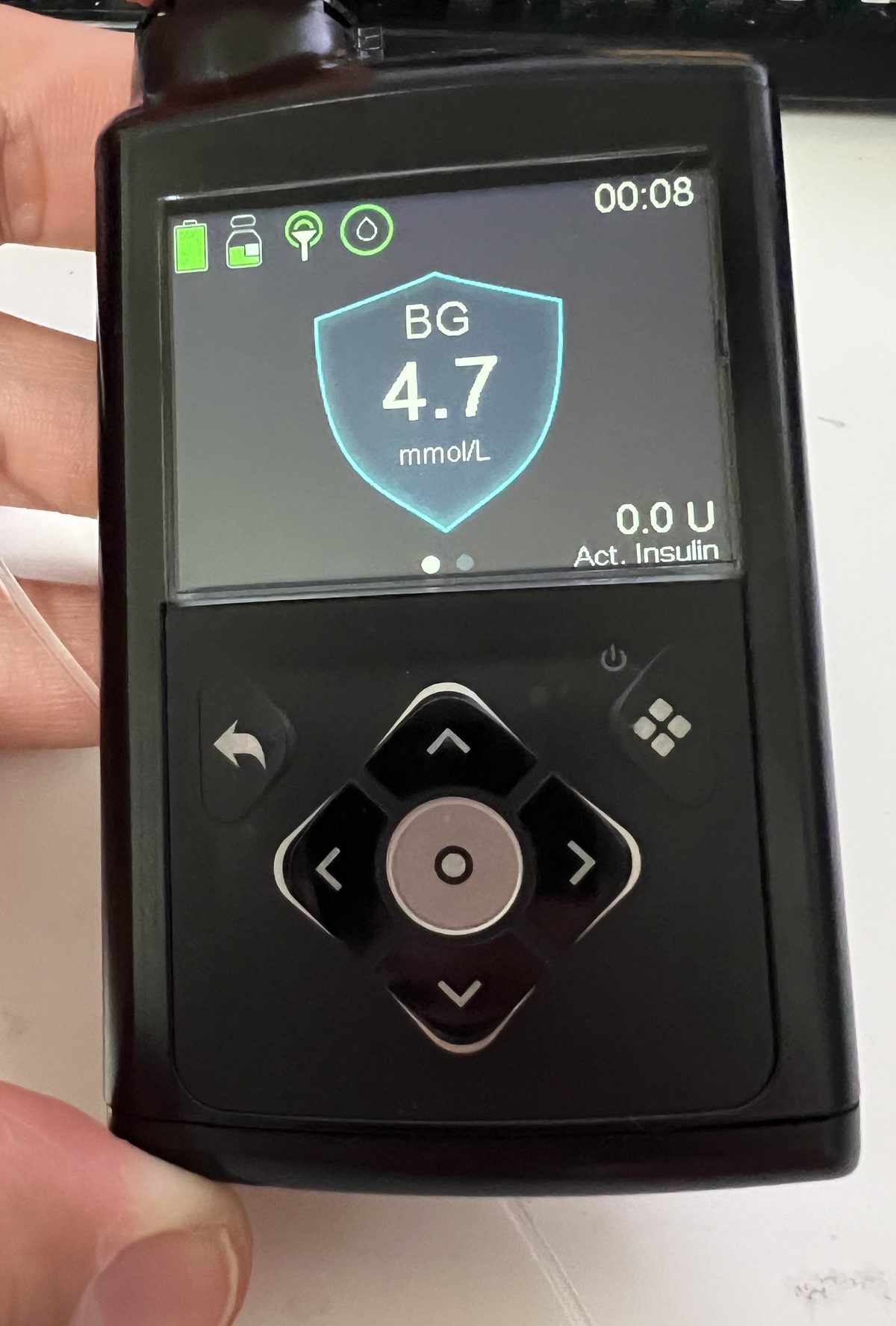
That is what makes the Medtronic MiniMed 780G hybrid closed-loop insulin pump, paired with the Guardian 4 continuous glucose monitor, so remarkable. It is not simply a pump receiving readings from a sensor. In SmartGuard mode, it is a feedback system that continuously watches where glucose is going and adjusts insulin delivery in response.
The moment it proved itself
Its capability becomes clearest when life is less tidy than the training manual. Occasionally, I have forgotten to enter the carbohydrates for a meal. That is not ideal – meal information still matters, and users should follow the guidance of their diabetes care team – but it is exactly the sort of human lapse that reveals whether automation is merely convenient or genuinely resilient.
As the Guardian 4 detects my glucose trending upward, the 780G responds. It adjusts delivery and, when appropriate, provides automatic correction boluses. It does not make a forgotten meal entry disappear, but in my experience it recognizes the developing problem and begins correcting on the fly.
It is difficult to overstate the relief of having a system that keeps watching when your own attention is somewhere else.
Just as important: knowing when to back off
The intelligence is not only in adding insulin. When the system sees glucose trending downward, it can reduce or suspend delivery to help limit the fall. That restraint matters. A good controller should be as capable of deciding not to act as it is of acting.
In practical terms, this has greatly helped me prevent hypoglycaemia before it happens. The effect is not dramatic in the theatrical sense. Often, it is the quiet absence of a low that might otherwise have interrupted work, sleep, exercise, or an ordinary afternoon. That is exactly the point.
A control loop built for reality
Medtronic says the system evaluates sensor information and can adjust insulin every five minutes. That frequent cadence gives the algorithm repeated opportunities to respond to direction and momentum rather than waiting for a single threshold to be crossed.
As someone drawn to automation and systems design, I admire the engineering. As the person wearing it, I appreciate something much more fundamental: the reduced cognitive load. Diabetes still requires attention, supplies, decisions, and judgement. The 780G does not eliminate that work. It does, however, provide a remarkably capable layer of continuous assistance.
Customer service worthy of the product
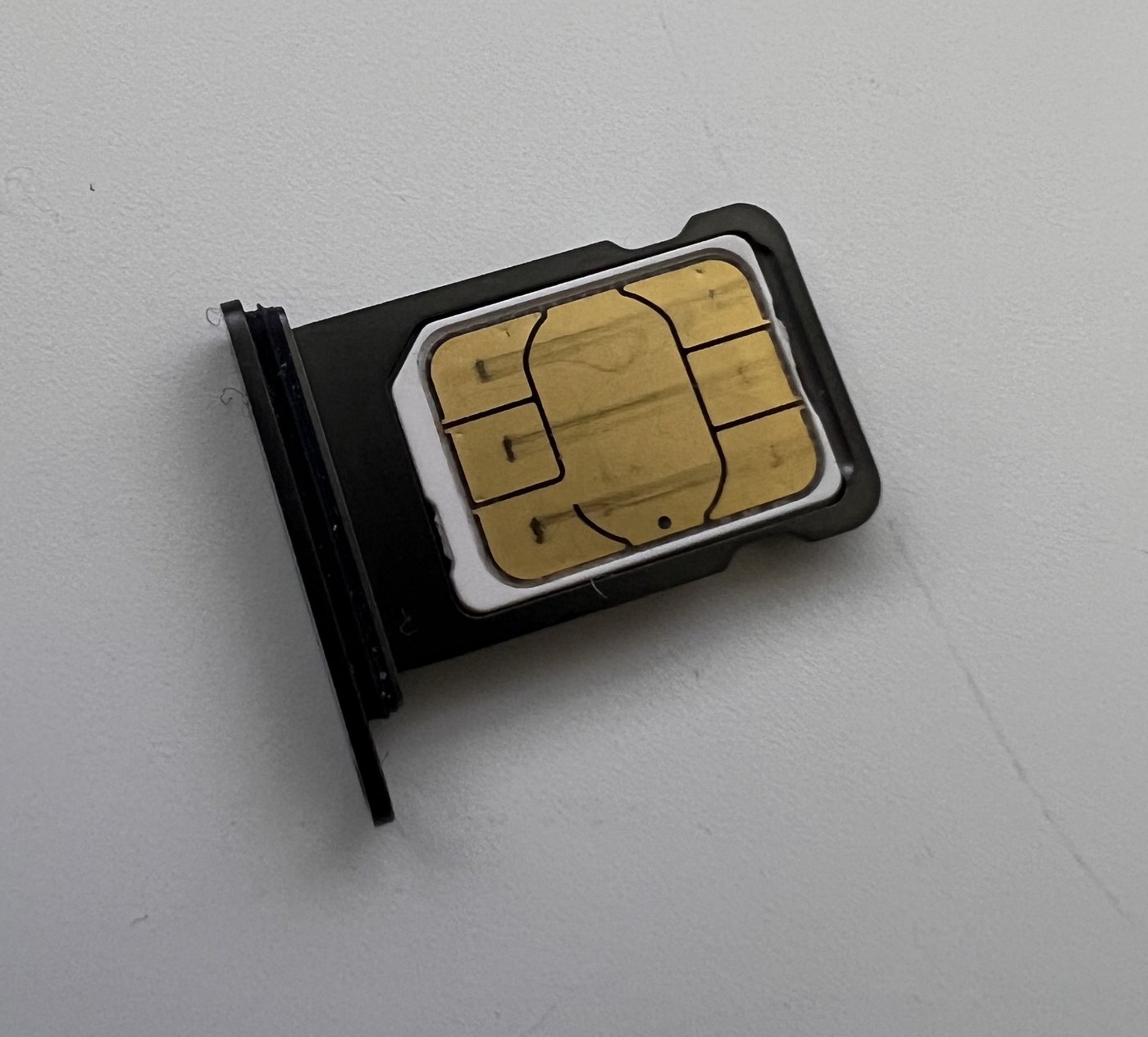
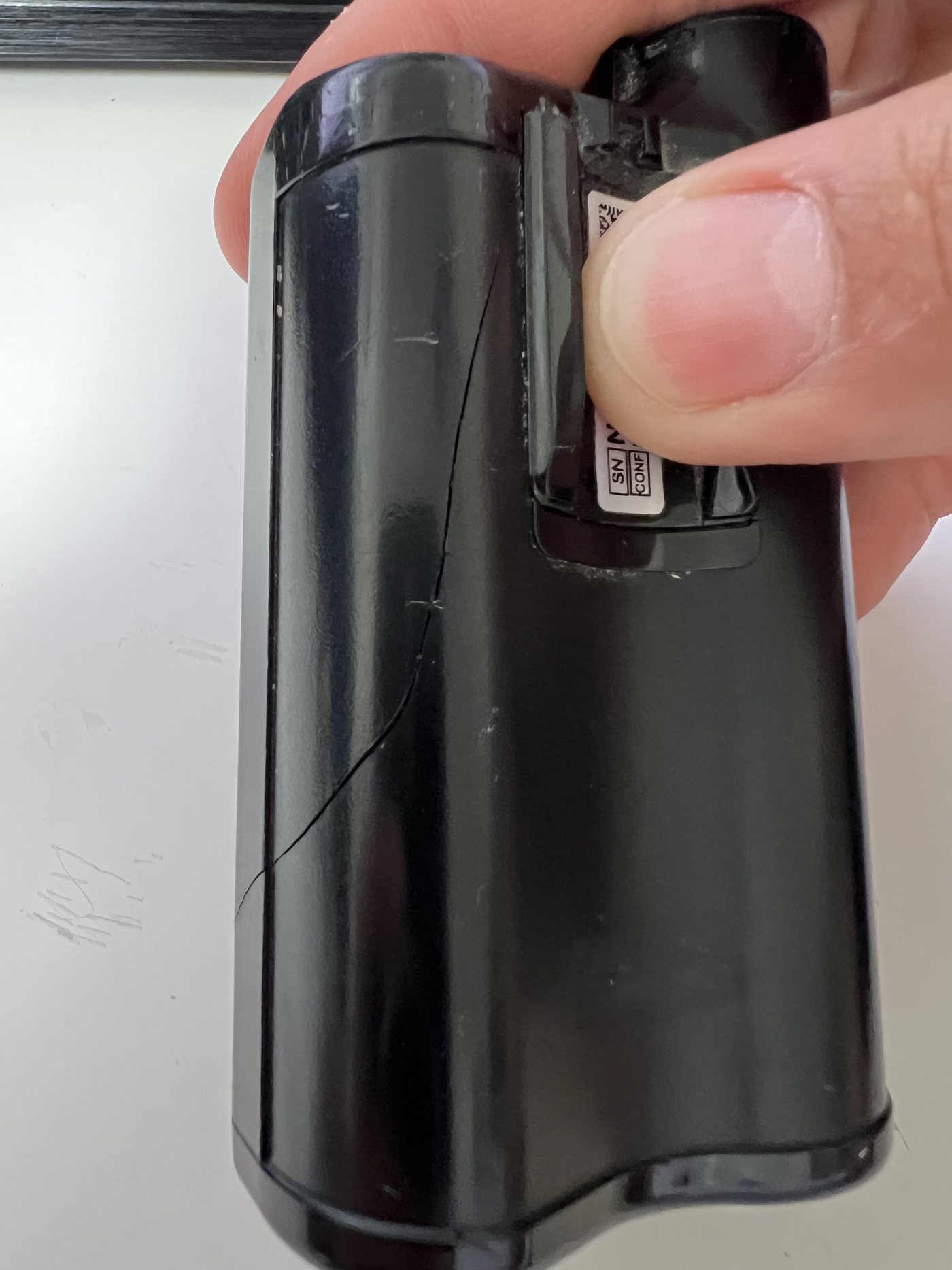
The engineering is only part of this review. On a Sunday afternoon, accidental water damage took my pump out of service. The pump was already out of warranty, but when I called Medtronic's technical support line, Nataly took ownership of the problem immediately.
Within roughly an hour of the call, she had arranged a loaner replacement. By about two and a half hours after the water damage occurred, that replacement pump was already on its way to me. For an out-of-warranty medical device, on a Sunday afternoon, that response was absolutely incredible.
Exceptional support is not a script or a pleasant conversation. It is someone understanding the stakes, owning the problem, and moving with urgency.
Nataly's help was a textbook example of outstanding customer service: compassionate, decisive, and focused on restoring something I depend on every day. A sophisticated medical device inspires confidence when it works well. A company earns a deeper kind of confidence when its people respond this well after something goes wrong.
Why I am staying with Medtronic
That support experience is one of the main reasons – if not the top reason – I am sticking with Medtronic. The pump may be a more expensive option than some competitors, depending on the market and available coverage, but price is only one part of value. Reliability, capability, ease of use, and what happens when you urgently need help matter too.
In my opinion, the MiniMed 780G system is the cream of the crop. Its diabetes control, ease of use, flexibility, connectivity, and customer service form an unusually complete package. Another system might cost less, but Medtronic has earned my confidence in both the technology and the people standing behind it.
This article describes one person’s experience. Insulin settings, targets, alerts, and treatment decisions are individual and should be made with a qualified diabetes care team. Automated insulin delivery still requires user interaction, and individual results vary.
Why it belongs here
TheOverEngineered Reviews is for products and services that do something unusually well – not because their marketing says so, but because the quality becomes evident through use. Both the MiniMed 780G with Guardian 4 and the support I received from Nataly qualify.
The system observes, decides, acts, checks the result, and repeats. More importantly, it does so in service of a person navigating a condition that never clocks out. For me, it has performed exceptionally well. It is a marvel of feedback control, medical engineering, and thoughtful automation – supported, when I needed it most, by an equally exceptional human response.